

Hey Party People!
Welcome to the very first episode of How to Be Bad—a podcast about the messy, imperfect process of creating, growing, and finding freedom in being bad. My name is Rasheedat Badejo, but you can call me Ras Bad, and I’m your host. I’m also the founder and creative midwife of Bad Banana Productions, a brand-new multidisciplinary production company that launched just last November. I’m so excited to bring you along on this journey!
But first things first—what do I mean by bad?
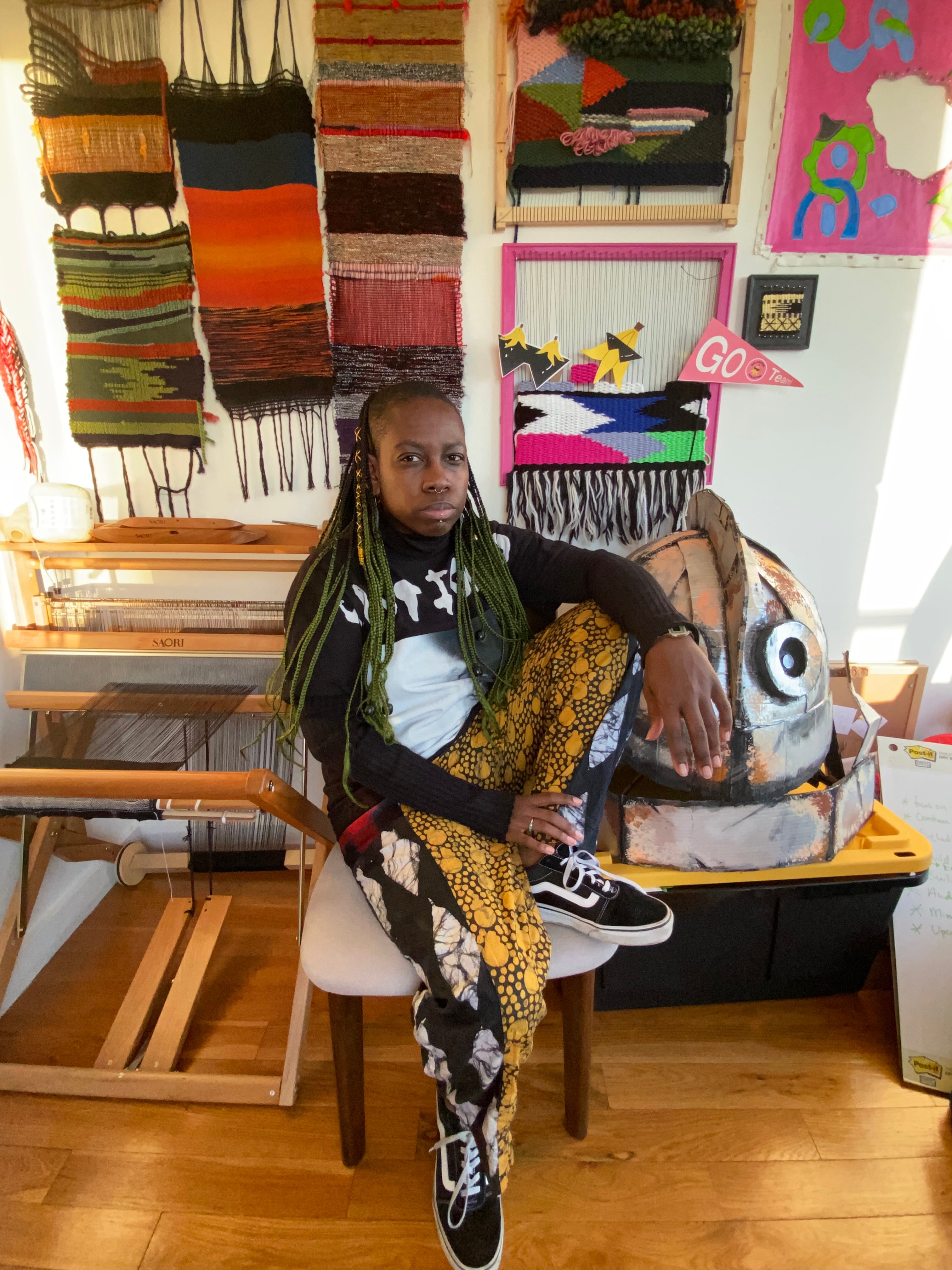
For me, being bad means being free, authentic, and true. I didn’t always feel this way about the word. In fact, my new relationship with it only began in the summer of 2022.
That summer, I was back home in Kansas City, leading an ensemble-devised theater program for teens. Over the course of July, we worked on acting, writing, and physical storytelling while creating an original theatrical production. One morning, we were practicing projection—the art of amplifying your voice on stage. My co-teacher, Jada, handed out copies of the poem Wild Geese by Mary Oliver, and we practiced throwing a ball to a partner while reciting lines from the poem. The ball symbolized the voice we were “projecting.”
Since we had an odd number of students, I joined in. Over and over, we repeated the first few lines:
"You do not have to be good.
You do not have to walk on your knees
for a hundred miles through the desert, repenting.
You only have to let the soft animal of your body
love what it loves."
And suddenly, it hit me—like, my brain broke. I realized I had never considered not being good as an option. My entire life, I’d been striving to be “good” in every area because I thought that’s what I was supposed to do. But the constant need to be “good” brought nothing but anxiety and rigidity into my life.
To make matters worse, I had seen how being “good” could get you ahead, while being “bad” could get you discarded. So I poured my energy into meeting standards I didn’t set—and didn’t even fully understand. This left me overly dependent on external validation and rejecting my own intuition.
At the same time, I’ve also seen how the pressure to be “good” stops people from even trying. It’s like there’s an unspoken rule that says, You must be this good to be worthy of being witnessed. It’s a mindset that kills creativity, blocks possibilities, and interrupts the natural, intuitive process of making art.
Good had become a prison.
Bad was now an adventure—a messy, joyful, worthwhile adventure of self-discovery and unlearning.
When I let go of “good,” making art became fun again.
That’s why I’ve adopted this new definition of bad and made it the ethos of Bad Banana Productions. It’s part of my mission to create care-centered spaces where folks can free themselves through art. Spaces where they can try new things without the fear of judgment. Spaces where we can practice creativity to make new choices—choices that lead to new solutions for some very old problems (like white supremacist capitalist violence).
So, that’s me in a nutshell.
Now that you know a little about me, let’s dive into the episode! For this very first episode of How to Be Bad, I’m doing a review of the last quarter of 2024. I think it’s important to reflect on where we’ve been to understand where we’re going.
And let me tell you, Q4 of 2024 was a lot. On November 15, I launched Bad Banana Productions with a party—and promptly burnt out. That burnout taught me lessons about sustainability, sacrifice, and the unnecessary stress of worrying whether things are “good enough.”
At the same time, Q4 was also a testament to doing things scared and doing them well. Not perfectly—but well.
So today, I’ll share the major milestones, the wins, and the lessons I’ve learned about myself and my process.
Let’s get into it.
Q4 Review
So much happened that quarter: my partner and I moved to Brooklyn, I kicked off Phase One of Plantains, produced a launch party called the Bad Banana Bash, composed music for my friend’s dance company, and balanced it all while working my day job as the Programs Coordinator for a small nonprofit."
The move to Brooklyn was a game-changer. I finally had room to work and create without interruption and to host rehearsals if needed. Which is honestly a dream come true.
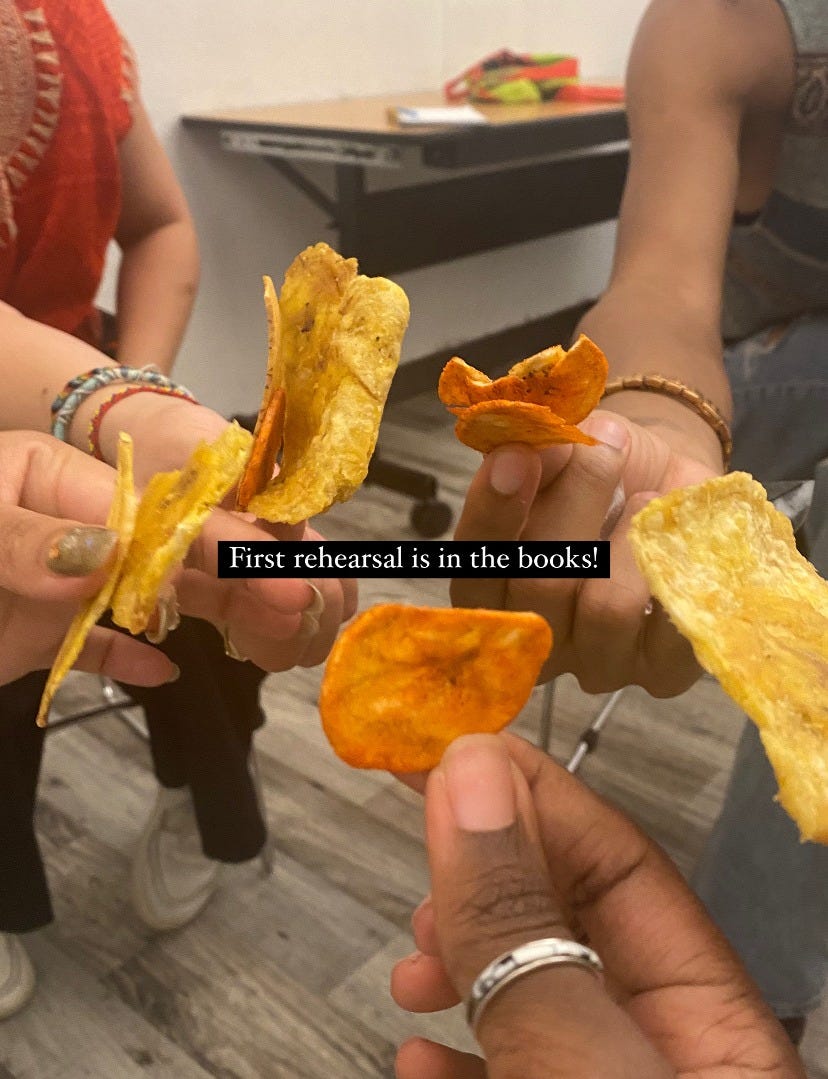
This move to Brooklyn, happened the day after I began developing Plantains, the first-ever Bad Banana Productions New Work. Plantains is both a love letter to the human experience and an experiment in process. It was the first time I had complete control over the New Work process, and I was so excited to finally approach it on my own terms.
For this project, I wanted more time between rehearsals to process ideas and let them simmer. I envisioned working with an ensemble of queer immigrant artists from different performance backgrounds—artists who could create, learn, and transform together. While I won’t get into all the details of the process in this episode, I will say this: Plantains challenged the ways I’ve been taught to make theater.
I’m used to the fast, product-driven, and capitalistic approaches to theater-making, where care often gets pushed aside in favor of overworking. With Plantains, I wanted something slower, more intentional, and expansive. Phase One was all about exploration, with no pressure to produce a finished product.
While this sounded ideal in theory, I quickly realized that our process wasn’t creating enough space for the piece to take shape. Plantains asked me to step into unfamiliar territory. It wasn’t enough to rely on what I already knew about creating new work. I had to bring all of myself to the process—not just the theater-maker in me. So that meant reimagining the process itself to make room for that.
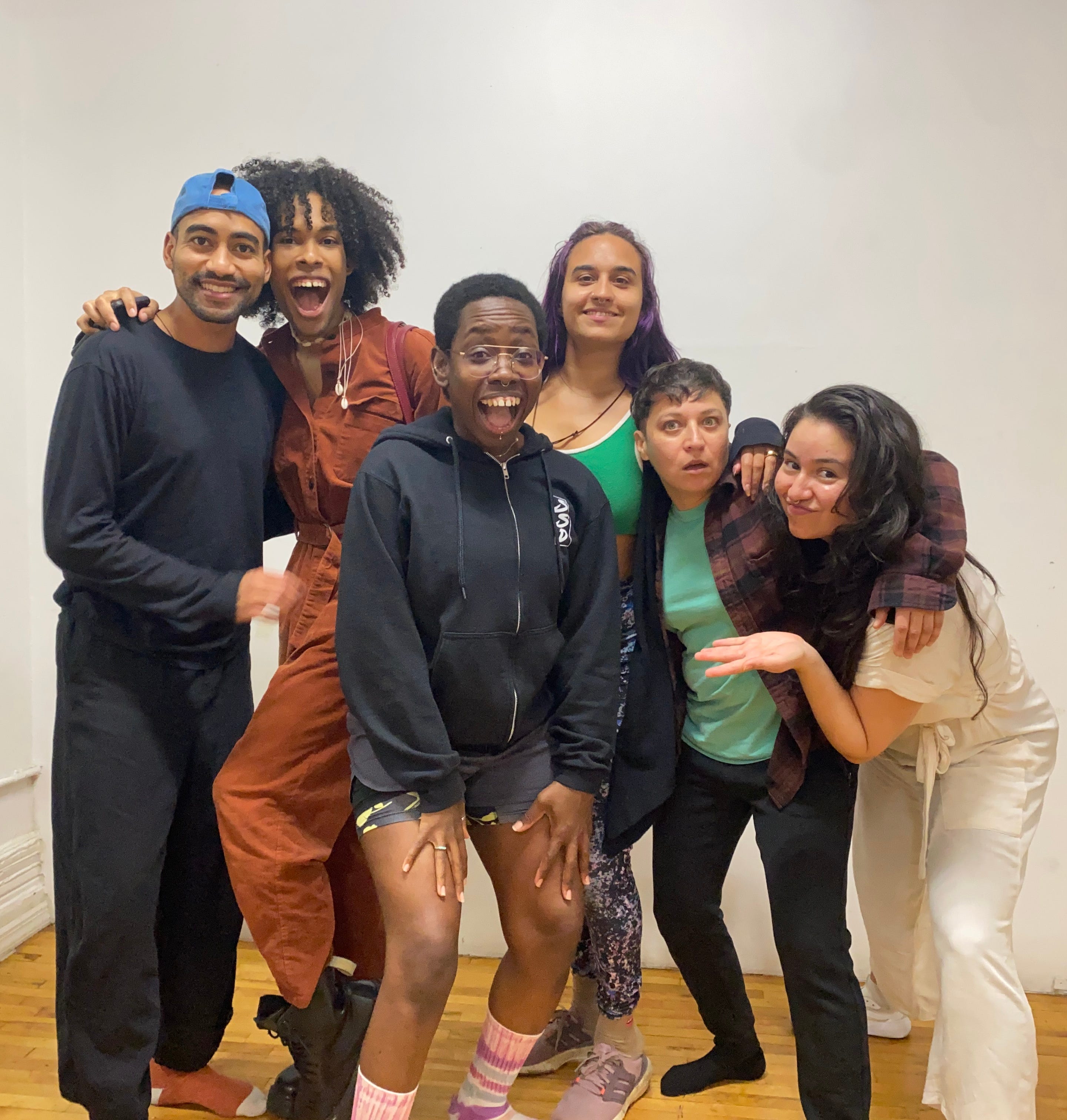
After a much-needed moment of clarity, we pivoted—and it made all the difference. We wrapped up Phase One by sharing a short cutting of the piece and reflecting on our journey at the launch party.
Looking back, the biggest lessons and wins of Phase One are one and the same. First, I was reminded that care-centered processes must also include myself—otherwise, they’re not sustainable. Second, I discovered that slowing down allows room for flexibility, making the entire process much more rewarding.
In the next episode, I’ll be joined by some of my Plantains collaborators to do a deep dive into Phase One. We’ll share what we learned, what surprised us, and the juicy details of our process. You won’t want to miss it!
The Bad Banana Bash
Now, the beast of the quarter: the Bad Banana Bash, aka the launch party. Lord, this was the biggest event I have ever solo-produced, and it gave me a run for my money—both figuratively and literally. I wanted this party to represent everything I am as an artist, which, in hindsight, was an absolutely insane task. Especially because I am the only member of Bad Banana Productions. I both overestimated and underestimated my ability to pull this event off.
This launch party had it all: an open mic, a reiki clinic, interactive performances, free Bad Banana T-shirts, food, craft mocktails by Curious Elixirs, and a raffle. A portion of the proceeds went to the NYC POC Healing Circle, a healing justice collective that I’m a part of.
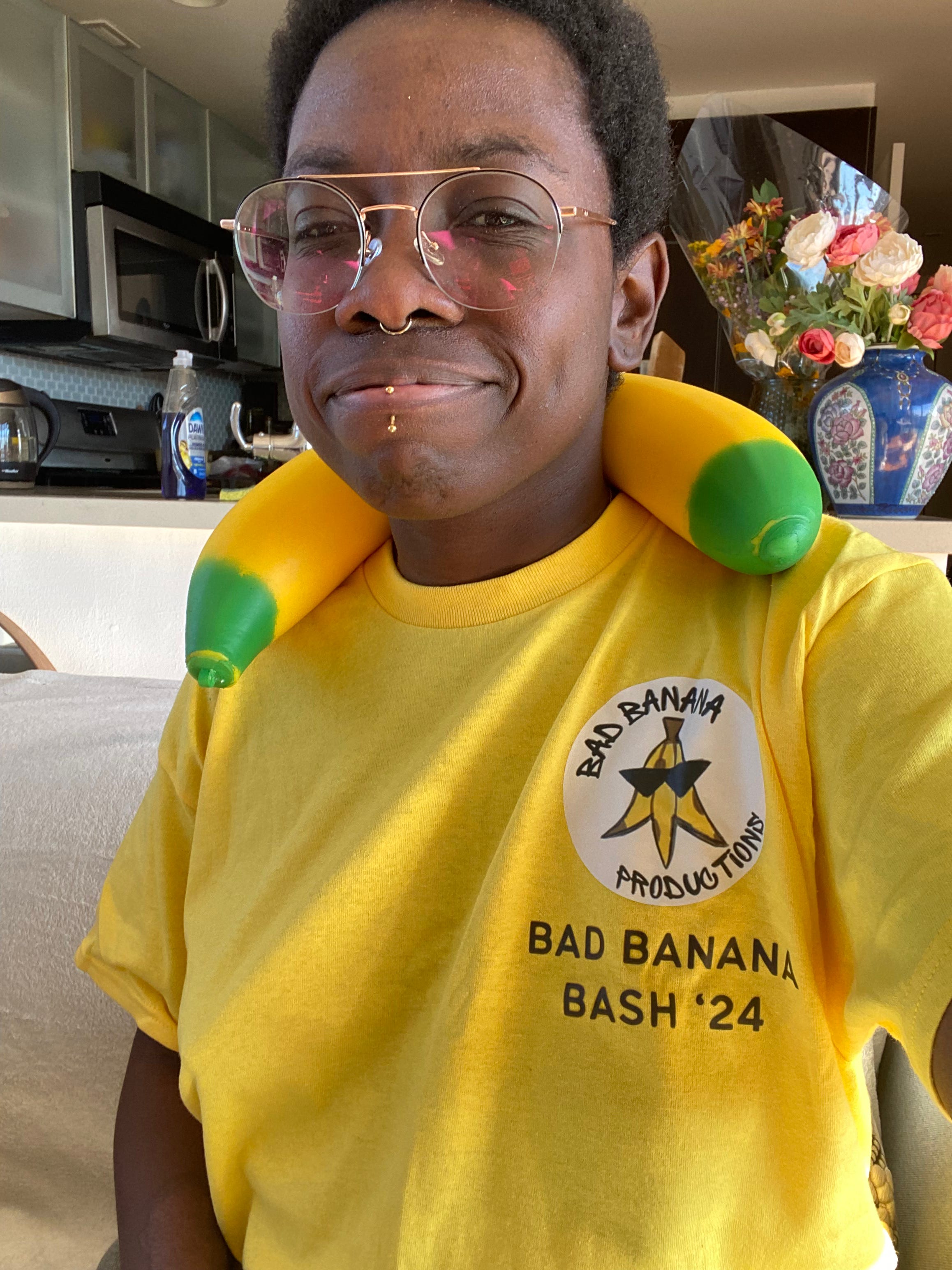
Oh, and did I mention I was also working my day job at the time? On top of everything, I was in charge of communications for my job’s fundraiser, which happened to take place the day after the launch party. I didn’t plan it that way, but in retrospect, I’m glad it did. Watching seasoned professionals collaborate on the fundraising event was eye-opening. I sat in board meetings, watching people brainstorm, problem-solve, and pool resources, which gave me a clear view of where I needed the most help.
I started reaching out to the badasses in my network for advice, but I kept running up against the same reality: I knew how to do many jobs, but I was still only one person. My tight budget didn’t allow me to outsource as much as I wanted. With a buffet of responsibilities on my plate, the Bash kicked my ass—both into shape and off a cliff. I kept oscillating between what I wanted the event to be and what I thought it should be. That back-and-forth added a ton of unnecessary stress, pushing me to the point of insomnia.
For a month and a half, I didn’t get a full night’s sleep. The sleep deprivation tanked my short-term memory and fed my inner critic, who was loud and relentless. I found myself sitting at my altar morning, noon, and night, trying to ground myself. But something had to give.
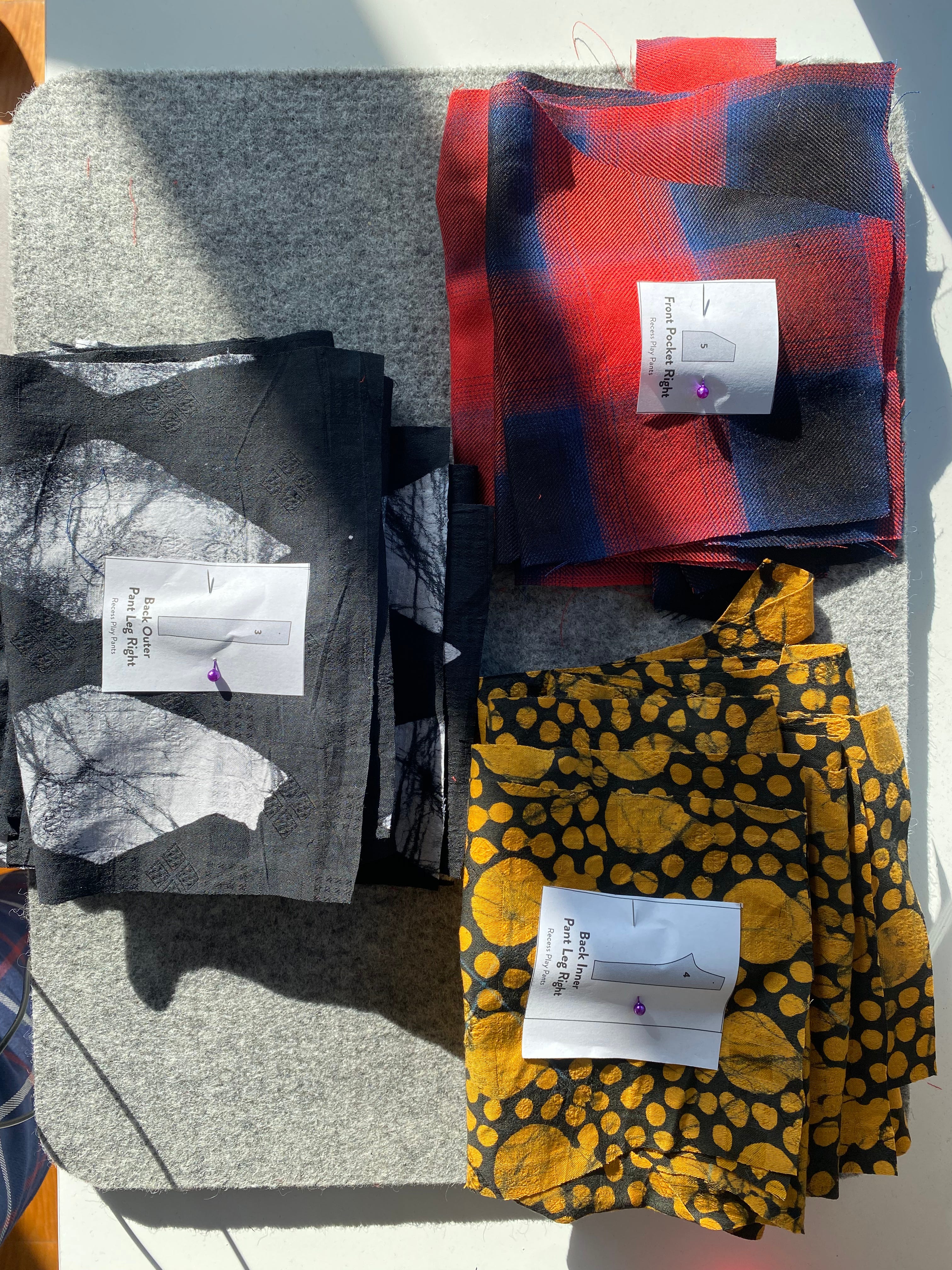
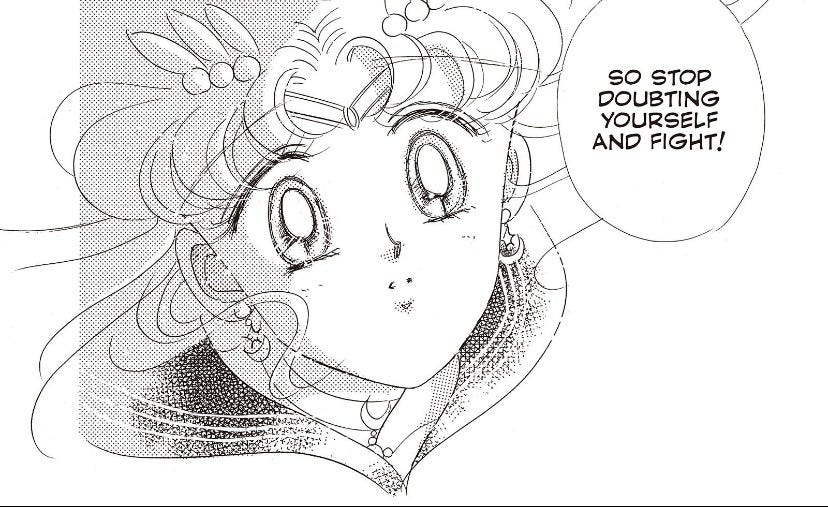
Problem-solving at 2 a.m. wasn’t working, so I turned to creative outlets that felt low stakes—something just for me. I started re-reading Sailor Moon comics and sewing. At night, I’d escape into Sailor Moon. In the early mornings, I’d listen to audiobooks while making pants.
Though I was stressed, I kept pushing forward, determined to make it happen. Then, the week of the Bash, I got sick. I hate to admit it, but I’m no stranger to getting sick from stress. Usually, it happens the day after a project ends, but this time, my nervous system was so fried, the sickness came early. The silver lining was that being sick forced me to rest. During the day, I was in a fugue state, unsure if I’d even make it to the event. But my community showed up for me.
My best friend flew in from Tulsa to support the launch. The performers—who were also dear friends—were building an Iron Giant puppet, and hand-made all of the decorations for the photo booth. Every single person who agreed to work my event believed in me. I just had to believe in myself. I truly felt like Sailor Moon—ready to transform into the bad bitch I know I am and throw this damn party.
The day of the Bash arrived, and it was all hands on deck. We had a tight timeline, but we made it happen. The event was well-attended, the vibes were immaculate, the performances were moving and for days after, people kept messaging me to say how much they enjoyed it. I even raised $1,200 in donations for Bad Banana and was able to donate $200 to the NYC POC Healing Circle.
The lessons from this experience were huge. First, healing isn’t linear, and perfectionism combined with hyper-independence is a deadly combo because, It takes a village to make things happen, and asking for help is essential. Second, when I get out of my own way, I can move mountains. And finally, it’s not that deep.
That brings me to the final highlight of Q4: composing for Skyla Schreter Dance.
Skyla Schreter Dance
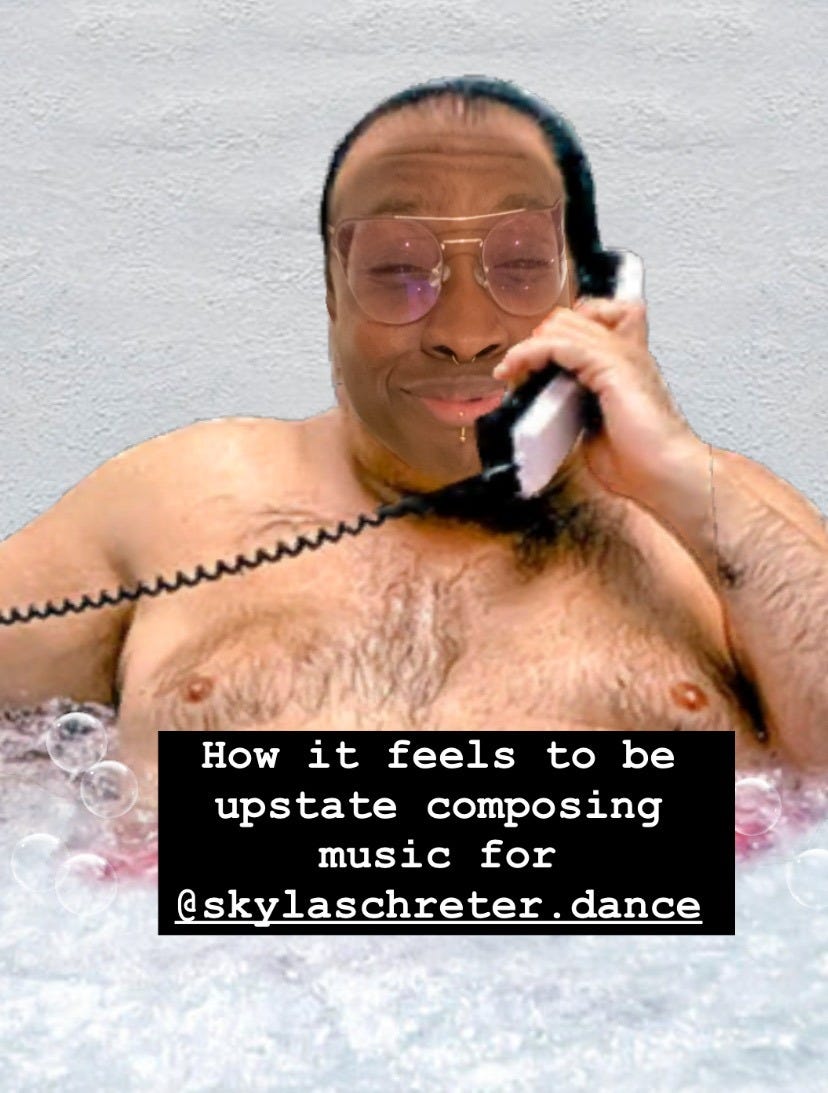
So Plantains happens, the launch party happens, my job’s fundraiser happens, and then the following week, I head upstate to Beacon, NY to compose for my friend Skyla’s dance company, Skyla Schreter Dance. I’ve composed music for my personal pleasure and I’ve sound designed for theater, but I’ve never composed music for dance. I was quite nervous, imposter syndrome was attempting to come for me, but I was too tired to entertain it. There was no time for me to second guess myself. Music needed to be made and the dancers needed to dance. It turned out to be the best music-making experience I’ve ever had. My critic was on vacation and I just trusted the process. It was our first time collaborating outside of grad school and It was amazing. I was in a lab of creation, where good was a byproduct, not the goal. Every morning that week, we walked into the studio not fully knowing what would be made and walked out every evening feeling fulfilled. It was a gift to watch Skyla choreograph with these stunning dancers, and then get to compose music in response to what she was making. The best part was watching it all come together moments later. The trust that Skyla and I had in each other in this process was priceless and I can’t wait to return to this project. While in residence in Beacon, I was still trying to wrap up administrative work for Bad Banana and my Job, but after hours of composing, my brain struggled to come back online. I knew I was burnt out, but I still had newsletters to send, people to thank, and assets to collect and deliver. After completing the time-sensitive tasks, I allowed myself to leave other organizational tasks for the new year.
Video of one of the dance pieces, Choreography by Skyla, Performed by Hannah and Kyle, music by Ras featuring vocal samples of Hannah, Kyle, and CJ.
So that was Quarter 4 of 2024. I learned a metric ton about myself and am taking that knowledge with me into this new year. I even revamped my plans for the year to ensure I put myself in a position to run this company and not let it run me.
So what is coming down the pike? Besides more monthly podcast episodes, I’m happy to announce my return to the stage with the Trojan Women Project at La Mama in March. And in Bad Banana News, we’re moving into Phase 2 of Plantains in April, and I’m piloting a brand new event series called Bad Labs, more on that soon.
Thank you so much for tuning in to the first episode of How to Be Bad! If you’d like to support my work, don’t forget to like, comment, share, and subscribe. You can also make a tax-deductible donation to help keep Bad Banana going!
I’m your host, Ras Bad, and until next time—Be Bad, Be Free.


